



How Storytelling Drives Affiliate Conversions
Storytelling helps affiliate marketers connect emotionally with their audience, turning casual readers into buyers. By weaving relatable problems, engaging scenarios, and clear solutions into your content, you can increase trust and conversions. Here's how storytelling works in affiliate marketing:
- Why Stories Work: People remember stories better than plain facts. Stories build trust and make products relatable.
- Key Elements of Effective Stories:
- Relatable problem
- Engaging scenario
- Clear solution
- Positive outcome
- Top Storytelling Methods:
- Customer Success Stories: Real examples of how others benefited from the product.
- Problem-Solution Stories: Highlight challenges and how the product solves them.
- Visual Storytelling: Use images like before/after comparisons or infographics to enhance engagement.
- Performance Tracking: Monitor metrics like time on page, click-through rates, and conversions. Use A/B testing to find the best story format.
PODCAST 23 AFFILIATE MARKETING SECRETS: How to ...
3 Storytelling Methods That Boost Sales
Storytelling can be a game-changer for affiliate conversions. Here are three techniques to help you drive more sales.
Customer Success Stories
Sharing customer success stories builds trust and credibility. These stories typically follow a simple structure: the starting point, the challenge, the solution, and the results. Including specific metrics like revenue growth, time saved, or goals achieved makes the story relatable and helps potential buyers see how they can benefit.
Now, let’s look at another approach that taps into emotions.
Problem-Solution Stories
This method takes readers on a journey from frustration to relief. Here’s how it works:
- Highlight the main problem.
- Describe the emotional toll or impact of the problem.
- Introduce the affiliate product as the solution.
- Show the positive transformation.
Using descriptive language to emphasize the pain and the relief makes your recommendation more persuasive. Pairing this with visuals can further strengthen the story.
Visual Story Elements
Visuals bring your story to life and make it more engaging. Consider these options:
- Before/After Comparisons: Clearly demonstrate results.
- Progress Charts: Highlight growth or improvement.
- Screenshots: Provide proof of actual results.
- Infographics: Break down complex ideas into easily digestible visuals.
For the best impact, ensure your images are high-quality, directly support the narrative, and include detailed captions. Keep your branding consistent to create a seamless experience. Together, these visuals and storytelling techniques can keep your audience hooked, no matter what device they’re using.
Building Stories for Affiliate Content
Craft affiliate stories that naturally incorporate product links while encouraging readers to take action.
Story Structure
An effective affiliate story typically includes these four elements:
- Setup: Meet Sarah, a stay-at-home mom juggling three kids, who wanted to earn an income without taking time away from her family.
- Problem: Sarah tried various side gigs but struggled to balance them with family responsibilities. The inconsistent income barely helped with expenses.
- Climax: When her youngest child started school, Sarah realized her current efforts wouldn't create the stability she needed.
- Solution: Sarah turned to affiliate marketing. Within six months, she went from earning $500 to $3,000 a month, working just a couple of hours a day.
Once the narrative is in place, weave in product links naturally to lead readers toward the solutions.
Adding Product Links
Use affiliate links thoughtfully to enhance the story's impact:
- Highlight the product's value within the narrative before linking.
- Place links where readers are likely to look for solutions.
- Tie the product's benefits directly to the challenges in the story.
- Add multiple links throughout the piece, offering new context with each mention.
sbb-itb-5e834ae
Tracking Story Performance
Tracking how your stories perform is crucial for improving conversions. Let’s dive into the key metrics to monitor and strategies to test.
Performance Metrics
Here’s what to keep an eye on:
Engagement Metrics
- Average time on page: If readers spend more time than your site’s average, it’s a good sign they’re engaged.
- Scroll depth: See how far readers make it through your content.
- Social shares: Identify which parts of your story motivate readers to share.
- Comments: Gauge audience interaction and emotional connection.
Conversion Metrics
- Click-through rate (CTR): Compare the performance of story-driven content against other types.
- Conversion rate: Measure how many readers take the desired action.
- Average order value: Check if storytelling influences purchase amounts.
- Return visitor rate: Track how often readers come back.
Use tools like Google Analytics and affiliate tracking platforms to monitor these metrics. Custom UTM parameters can help you pinpoint how different story versions perform.
Testing Different Stories
Experimenting with your storytelling approach can reveal what resonates most with your audience. Here’s how to test effectively:
A/B Testing Framework
1. Story Structure Tests
Create two versions of your content, each with a different narrative style:
- Version A: A problem-solution format.
- Version B: A journey-based narrative.
Run both versions long enough to gather meaningful data.
2. Emotional Appeal Tests
Try out different emotional angles to connect with readers:
- Stories of overcoming struggles.
- Inspirational success tales.
- Community-focused achievements.
3. Call-to-Action Placement
Experiment with where you place your affiliate links:
- Early in the story, right after introducing the problem.
- Midway through, as the solution unfolds.
- At the end, woven into the resolution.
| Test Element | Key Variables | Measurement Period |
|---|---|---|
| Story Length | Short (~500 words) vs. Long (~1,500 words) | 14 days |
| Story Format | Personal narrative vs. Case study | 14 days |
| Visual Elements | With or without images/videos | 7 days |
Tips for Effective Testing:
- Focus on one element at a time to isolate its impact.
- Keep test durations consistent for accurate comparisons.
- Document every change and its effect on your metrics.
- Use heat mapping tools to identify which parts of the story grab the most attention.
- Keep successful elements while experimenting with new ideas.
Fine-tuning these aspects can help drive better affiliate conversions.
doublejack.club Stories That Convert
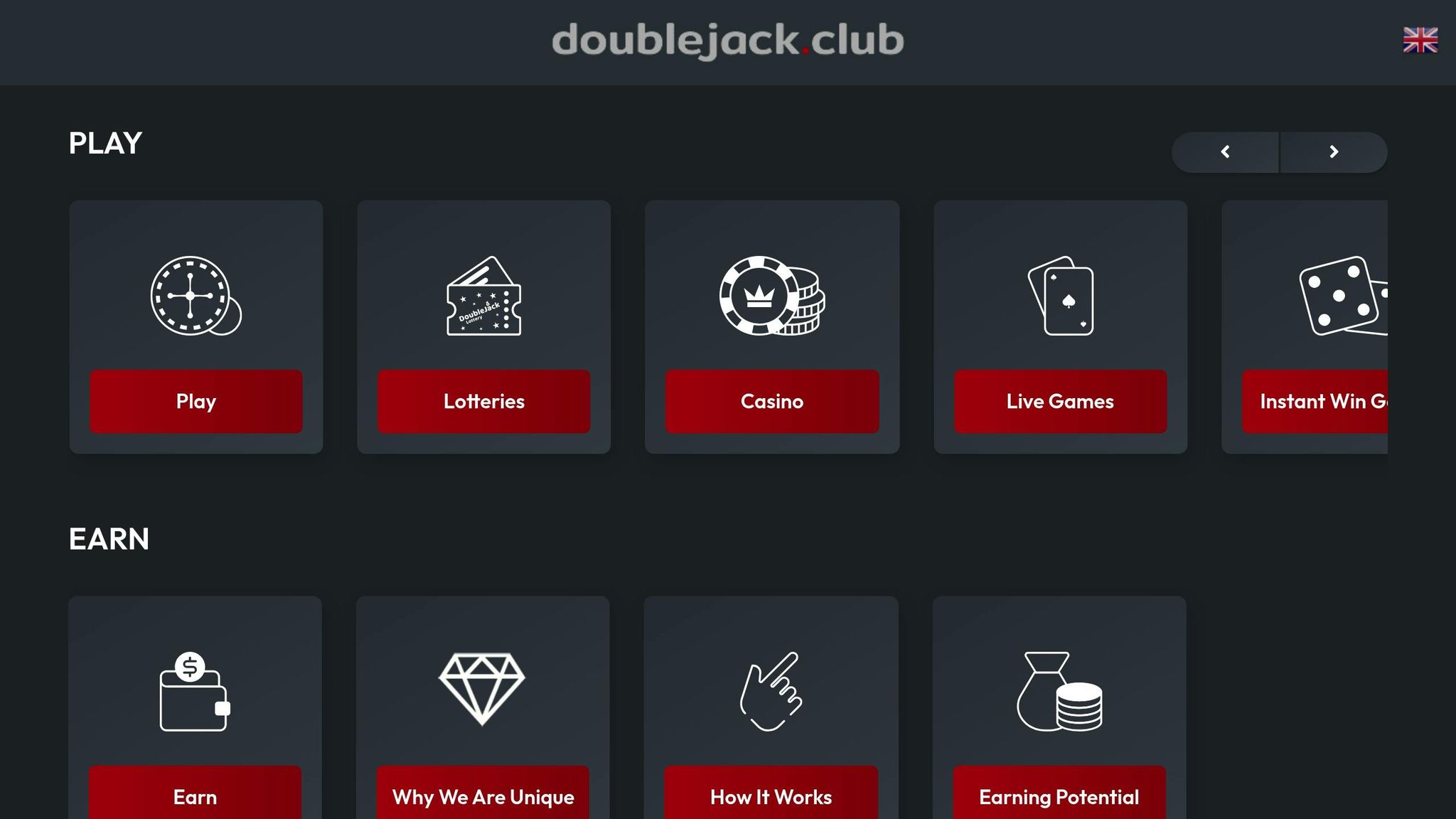
doublejack.club uses storytelling techniques to highlight its platform's strengths and drive conversions. By focusing on trust and engagement, affiliates can connect with potential members in meaningful ways. Below are two storytelling approaches that resonate with the doublejack.club community.
Income Growth Stories
These stories emphasize the platform's earning potential through its multi-level affiliate system. Here's how to craft them effectively:
Highlight Progressive Earnings: Show how affiliates' earnings grow over time with the tiered revenue-sharing model. For example, affiliates can earn up to a 75% revenue share while expanding their network. Describe the journey from initial earnings to long-term financial growth.
Focus on Network Building: Include details about the viral network-building strategy, where affiliates earn through multiple referral levels. Mention tools like the transparent dashboard, which allows users to track their progress and income growth.
| Story Element | Key Points | Purpose |
|---|---|---|
| Initial Steps | Starting with the Golden Ticket | Build confidence |
| Growth Phase | Advancing through revenue tiers | Showcase earning potential |
| Long-term Success | Lifetime income growth | Highlight sustainability |
These stories are structured to showcase financial opportunities, making them relatable and inspiring for potential affiliates.
Community Success Stories
Beyond financial benefits, community-focused stories highlight shared achievements and engagement within the platform.
Showcase Platform Integration: Share stories about members using gaming and banking features seamlessly. Highlight how the platform's digital currency, $DJCK, simplifies transactions and strengthens community ties.
Reinforce Transparency and Trust: Build trust by emphasizing:
- Real-time affiliate tracking through dashboards
- Clear revenue-sharing mechanisms
- Features like "Voices" that encourage social interaction
Add Social Proof: Strengthen your narratives with examples of:
- Member interactions and support within the community
- Successes achieved through collaboration
- Stories of how the platform fosters a sense of belonging
These community-focused stories not only build trust but also demonstrate the platform's value through collective successes and engagement.
Conclusion
Storytelling plays a key role in affiliate marketing success by crafting narratives that connect with potential customers while seamlessly incorporating affiliate products. The strategies outlined earlier are built on this foundation.
Key Takeaways
Here’s a quick recap of the main points discussed:
Building Genuine Narratives
- Focus on customer challenges and how they’re solved.
- Maintain a clear, engaging structure.
- Naturally weave affiliate products into the story.
Strategic Execution
- Incorporate visuals to make stories more impactful.
- Monitor metrics like engagement and conversion rates.
- Experiment with different story formats to find what works best.
These storytelling elements, when done right, can significantly boost affiliate conversions:
| Key Story Elements | Impact on Conversions | Best Practice |
|---|---|---|
| Customer Success Stories | Builds trust and relatability | Highlight specific results and outcomes |
| Problem-Solution Format | Shows clear value | Address real pain points authentically |
| Visual Components | Increases audience engagement | Use high-quality, relevant imagery |
For doublejack.club affiliates, storytelling has been especially effective in showcasing individual achievements and community growth. The platform’s transparent revenue-sharing model and multi-level earning potential naturally fit into compelling narratives that attract new members.
Affiliate marketers who focus on refining their storytelling - while tracking engagement and conversion data - can create a winning formula. This approach not only drives conversions but also builds stronger, lasting relationships with the audience.
FAQs
How can I use storytelling in affiliate marketing to increase conversions?
To use storytelling effectively in your affiliate marketing strategy, focus on creating authentic emotional connections with your audience. Share relatable stories about your own experiences or the value the product or service has brought to your life. This builds trust and makes your message more engaging.
Additionally, craft narratives that highlight problems your audience faces and show how the product or service solves them. By making your content personal and relatable, you can inspire action and foster a sense of community, ultimately driving higher conversions.
What are some visual storytelling techniques that can boost engagement and increase affiliate sales?
Visual storytelling is a powerful way to build emotional connections and drive affiliate sales by making your content more relatable and memorable. Here are a few effective techniques to consider:
- Use compelling images or videos: High-quality visuals that align with your message can capture attention and convey emotions more effectively than text alone.
- Incorporate infographics: Simplify complex information with well-designed infographics that are easy to understand and shareable.
- Showcase real-life scenarios: Use visuals to tell stories about how a product or service has positively impacted users, helping potential customers envision similar outcomes.
By integrating these elements into your affiliate marketing strategy, you can create a more engaging experience and inspire your audience to take action.
How can I measure the success of storytelling in my affiliate marketing strategy?
To evaluate the success of your storytelling in affiliate marketing, focus on key indicators like audience engagement and conversion rates. Pay attention to metrics such as clicks, sign-ups, and purchases that result from your content.
Additionally, assess how well your storytelling builds emotional connections and motivates your audience to take action. This could include tracking user interactions, feedback, and the overall impact on your affiliate growth. By regularly analyzing these factors, you can refine your approach and ensure your stories resonate effectively with your audience.
